

Get your environment news from New York
Provided by AGP
NYC Party Bus Rental Service Operate Within Tri-State Transport Market Segments

NYC Party Bus Rental

NYC Luxury Transportation
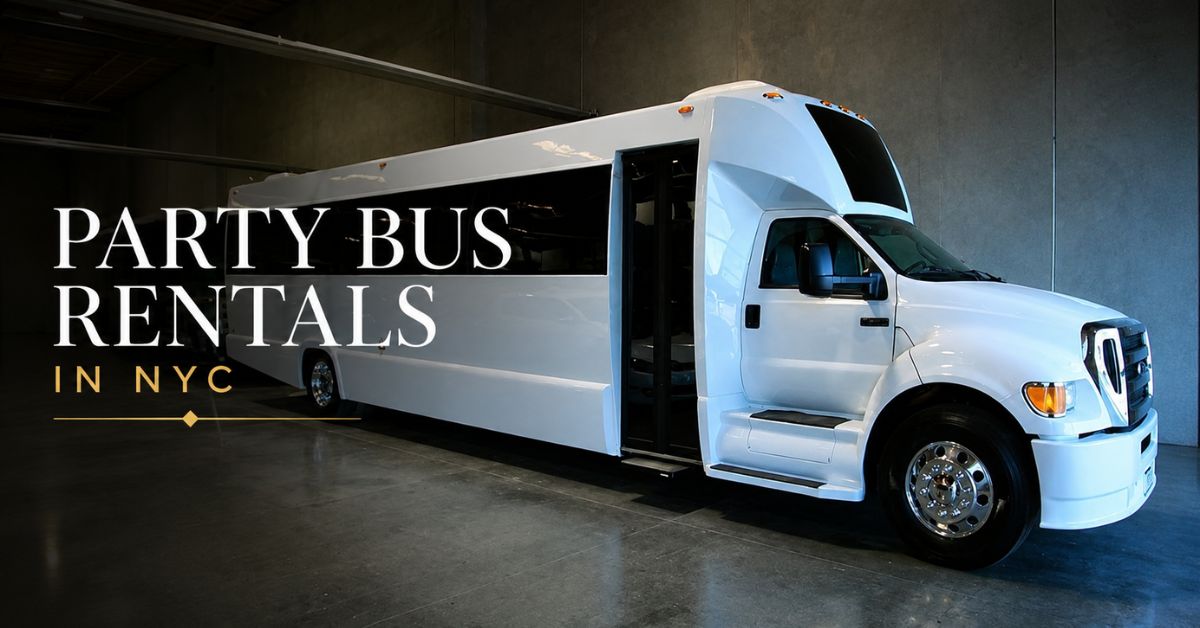
Party Bus Rentals in NYC
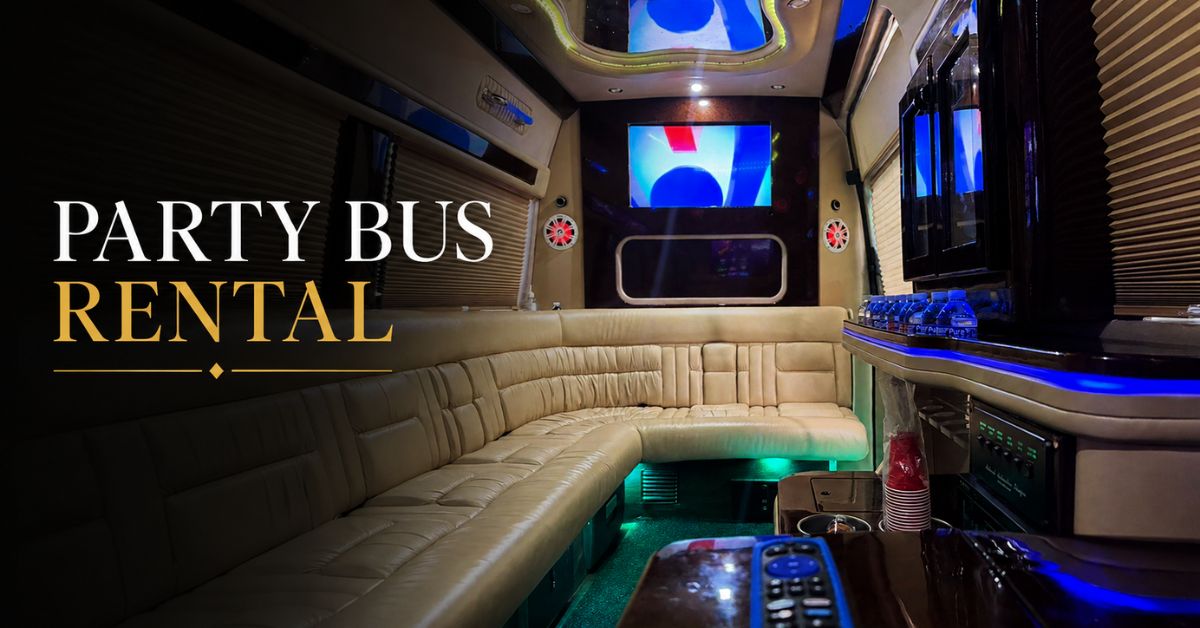
Party Bus Rental
NYC group transportation services continue operating through reservation-based private mobility systems across the Tri-State region and nearby cities wide.
NEW YORK CITY, NY, UNITED STATES, May 8, 2026 /EINPresswire.com/ -- Group transportation services operating in New York City continue to function within structured private mobility segments across the Tri-State region, based on fleet usage patterns, booking data, and regional transport activity.The service category, commonly referenced in consumer search behavior as NYC party bus rental, forms part of a broader ground transportation structure that includes chauffeured vehicles, vans, and multi-passenger transport units. These services operate primarily through scheduled bookings and time-based reservations rather than fixed-route systems.
Fleet-Based Transport Structure and Operational Flow
Operations are structured around a booking-driven system in which vehicles are assigned based on timing, group size, and travel distance requirements. Transport activity includes intra-city movement as well as short-distance intercity travel across surrounding regions.
Within this framework, group transport activity often overlaps with what users commonly refer to as party bus rentals in NYC, alongside other vehicle categories used for private passenger movement, including:
• Multi-passenger buses used for coordinated group travel
• Chauffeured passenger vehicles used for scheduled trips
• Mid-size vans used for family and small group transport
• Limousine vehicles used for formal or private travel requirements
• One-way and regional transfer services connecting nearby cities
Industry observers note that these services operate within private mobility systems rather than public transit infrastructure. Utilization is closely linked to reservation cycles, with demand shifting based on time, season, and event schedules.
Demand Patterns and Usage Conditions
Transport demand is largely driven by planned and event-based travel requirements. Usage patterns show predictable increases during weekends, holiday periods, and seasonal travel cycles, particularly in urban zones with high visitor and group activity.
Observed usage categories include:
• Private group transportation for scheduled events
• Corporate movement and business-related travel
• Visitor and tourist mobility within metropolitan areas
• Airport and hotel transfer coordination
• Multi-stop travel across city regions
Within this segment, NYC luxury transportation is generally associated with higher-comfort vehicle categories used for coordinated group movement, executive travel, or structured event logistics.
Demand levels are influenced by external factors such as tourism flow, local event calendars, and regional travel patterns. Vehicle availability is adjusted accordingly to match booking density across time periods.
Geographic Coverage Across Multiple Regions
Operational coverage extends beyond New York City into the broader Tri-State area, including parts of New Jersey and Connecticut. Fleet activity has also been reported in other major metropolitan regions, including Miami, Las Vegas, and Los Angeles.
Vehicle deployment across these regions is not fixed. Instead, allocation depends on:
• Booking volume in each location
• Seasonal demand fluctuations
• Fleet repositioning strategies
• Regional travel requirements
This structure allows transport services to respond to localized demand spikes while maintaining operational flexibility across multiple cities. It also supports adjustments in fleet deployment based on seasonal and event-driven travel patterns.
Industry Classification and Segment Definition
The services fall under private ground passenger transport. This category is defined by on-demand vehicle use for passenger movement and excludes public transit systems as well as freight logistics operations.
Industry classification typically includes:
• Private chauffeured transportation services
• Short-term rental-based mobility operations
• Group passenger transport systems
• Event-driven vehicle usage categories
These classifications are used in urban transport analysis and mobility sector reporting to distinguish private booking-based services from fixed-route or infrastructure-based transport systems.
Operational Model and Revenue Structure
The operational model is based on per-trip and hourly booking systems. Revenue is generated through individual reservations rather than subscription models or platform-based transactions.
Core operational functions include:
• Fleet scheduling and dispatch coordination
• Chauffeur assignment based on route and timing
• Regional booking allocation across service zones
• Demand forecasting for peak travel periods
• Vehicle utilization management across urban corridors
This structure reflects a service-based transport model where operational performance is tied to fleet usage efficiency, booking frequency, and regional demand distribution.
Unlike logistics networks or mobility platforms, revenue generation depends directly on completed transport assignments rather than digital transaction scaling or software-driven optimization systems.
User Demand and Search Behavior Patterns
Booking activity is primarily driven by intent-based search behavior rather than direct brand recognition. Users typically initiate searches based on immediate transportation requirements.
Common search patterns include:
• “group transportation for events.”
• “party bus rental near me.”
• “limo service for weddings.”
• “sprinter van for group travel.”
These queries reflect functional demand for coordinated transport solutions rather than long-term service loyalty or platform engagement. They also indicate that users typically prioritize immediate availability and route-specific requirements over provider selection.
Primary user groups include:
• Private event organizers and group travelers
• Corporate teams requiring structured transport
• Tourists and visitors navigating urban areas
• Families and social groups coordinating travel logistics
Sector Positioning Within Urban Mobility Systems
Services categorized under party bus rental, party bus rentals, and NYC luxury transportation operate within a defined segment of private urban mobility. This segment focuses on short-term passenger movement using pre-booked vehicles.
The sector is distinct from public transit infrastructure systems, freight and logistics transportation networks, and subscription-based mobility platforms. Its primary role is to provide flexible, reservation-based transport options for groups and individuals across urban and regional routes. It also supports point-to-point travel needs that vary based on time, location, and group size requirements.
A company representative said the segment continues to operate on demand-driven scheduling patterns across major cities. “Transport activity in this category moves almost entirely on reservations, with demand shifting based on events, travel peaks, and regional availability,” the representative said.
Operational Summary
Group transportation services across New York City and surrounding regions continue to operate within established private mobility segments. Activity remains closely linked to booking cycles, event schedules, and seasonal demand fluctuations.
Fleet utilization, regional deployment, and reservation-based scheduling continue to define how services operate across the Tri-State transport environment. For operational inquiries related to group transportation services, fleet availability, or regional booking coordination:
One Way Global Limos
One Way Global Limos
+1 646-637-2233
onewaygloballlc@gmail.com
Visit us on social media:
Instagram
Facebook
YouTube
Legal Disclaimer:
EIN Presswire provides this news content "as is" without warranty of any kind. We do not accept any responsibility or liability for the accuracy, content, images, videos, licenses, completeness, legality, or reliability of the information contained in this article. If you have any complaints or copyright issues related to this article, kindly contact the author above.
